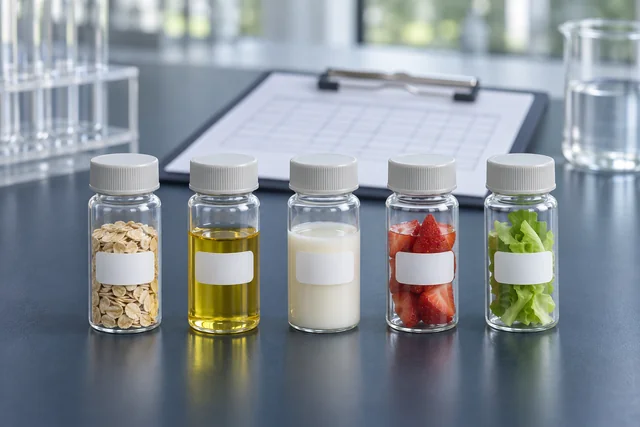
Laboratory accreditation is useful when the scope covers the work you are asking the laboratory to perform. Put the required test in writing before comparing quotations. A request for CBD testing is often too broad because it leaves the sample matrix, substances, method capability and reporting format unstated.
Describe the sample and required deliverable
Tell the laboratory whether the sample is an oil, a confectionery product, or an ingredient. List the analytes needed for the decision, the units you need and any reporting thresholds a specialist has identified. Ask what material is required for each analysis and how it must be handled. A result measured in an oil matrix may call for a different preparation from a result in a gummy. UKAS accreditation for laboratories that test food.
Compare the scope with the proposed work
Find the laboratory’s accreditation schedule and note the issue date and laboratory address. Check the relevant method and matrix, and ask which tests will be subcontracted. Request examples showing how the report identifies accredited and other results. Confirm the reporting capability of the method for each required substance. The Home Office details its expectations for appropriately sensitive accredited testing when assessing the relevant condition for controlled cannabinoids. UKAS accredited organisations directory. Home Office controlled cannabinoid factsheet.
Agree how results will be judged
Discuss which measurement uncertainty is reported and how it will be used if the laboratory is asked to state whether a sample conforms to a specification. Write down the decision rule before the work begins. For example, put similar bids side by side using matrix, analytes, reporting threshold and decision rule as columns. Use the completed comparison to choose the work that fits the decision, and save the supporting schedule with the quotation. UKAS LAB 48 on decision rules and statements of conformity.
Start with the legal entity, site and current schedule
Use the accreditation body's directory to look up the organisation named in the quote and the facility expected to perform the testing. Open the associated schedule and check its date, activity and status. A supplier can use multiple facilities under similar trading names. The relevant documentary trail should show which location and activity are covered. Save the current evidence with the quote, decision date and named reviewer. Ask for clarification where the reporting entity, testing site and published organisation do not match. This preserves the difference between a laboratory having accreditation and the particular service being within its accredited scope. UKAS accreditation directory UKAS food laboratory accreditation guidance
Compare matrix, analytes and method together
Translate the request into the finished sample type, named analytes, unit basis, reporting needs and decision threshold. A method scope for a raw ingredient or plant material may provide useful background, but the buyer needs evidence about the finished carrier, food or formulation actually submitted. Confirm which method and reporting limit the laboratory expects to use. Ask whether any analysis will require dilution or fall outside a useful reporting range. Where the directory or scope is abbreviated, ask the laboratory to explain the coverage and how it will identify scope boundaries in the finished report. A sales statement about sensitivity is less specific than written evidence covering the named method and matrix. UKAS food laboratory accreditation guidance UKAS accreditation directory
Check outsourced activities before the sample leaves
Ask who will receive, prepare and test the sample and who will issue each report. A laboratory may propose separate subcontractors for cannabinoid analysis and for a contaminant panel. Record both service chains, their relevant scopes and the point where sample identity passes between them. Also ask whether sample storage, recovery, adjustments to method or onward transport could affect the intended analysis. Determine how a subcontracted report will be identified and delivered. A purchasing contact should know whom to ask about handling and which evidence supports each line where a single invoice covers multiple services. UKAS food laboratory accreditation guidance FSA guidance on food traceability
Work through an illustrative lab choice
Suppose two laboratories quote for testing a finished oil. The first provides a current schedule for the actual oil matrix and the named analyte, with a reporting limit that supports the buyer's specification. The second quotes a faster turnaround and demonstrates relevant work on a different material, while the proposed oil method remains unconfirmed. Record the coverage question before ordering. A buyer might require confirmation of the matrix and limit before using the second quote for release evidence. If the supplier later sends a report with a different method, apply the same evidence checks again. A quotation is useful to document intended service. The report is the record of service actually delivered. UKAS accreditation directory UKAS LAB 48 guidance on decisions and statements of conformity
Verify acceptance on the issued report
Check sample identity, received condition, method, analyte list, results, reporting limits, units, scope indications and amendments. If a statement of conformity is expected, confirm the agreed decision rule and what switches the final wording between conforming and other results. If you only commissioned numeric measurements, treat the release decision as the responsibility assigned in the product file. Retain the quote, schedule reference and actual report. A periodic recheck should focus on different methods, sites, subcontractors or technical specifications and any changes to accreditation status. For a scope question that remains unclear, ask the issuing laboratory and use the accreditation body's directory to confirm the current public record. UKAS LAB 48 guidance on decisions and statements of conformity UKAS food laboratory accreditation guidance UKAS accreditation directory
Recheck a report when the method has changed
When an unexpected method code appears on a certificate, ask whether it reflects a renamed method or different work. Record what the laboratory confirms and tie the response to the report and scope schedule. A change in preparation can alter matrix suitability or achievable reporting limits even if the result table looks familiar. Apply the previously agreed review process to determine whether the report still supports the intended decision.