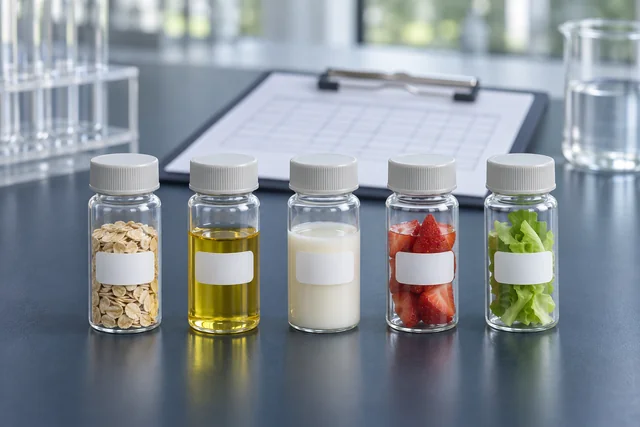
A shelf-life decision should identify the particular product, pack, date and storage conditions it covers. Start with the expected distribution and consumer conditions and ask which changes could make the food unsafe or unacceptable. Save the evidence alongside the formula and artwork so a buyer can tell which version the date refers to.
Define the endpoints before testing
Identify the hazards and product attributes that could change with time. Depending on the food, useful tests may involve microbiological, chemical, packaging or sensory evidence. Write down the criterion for each relevant attribute and include the expected conditions after opening where those apply. Confirm the date mark and storage instructions in the applicable guidance. Food Standards Scotland shelf-life guidance. Government guidance on food information for consumers.
Use the pack and storage conditions that customers get
Record the actual container, closure and storage instructions. Ask what batches and conditions were studied and when samples were assessed. For example, moving an oil from one container to another can affect how much light reaches it, while changes to the closure can alter protection after opening. Ask what supports the proposed dating with the new pack and how the team plans to check it.
Connect the claim to a review date
Keep a shelf-life file showing the batches tested, agreed criteria, evidence and the approved label. Name changes that will reopen the review, including formulation, manufacturing process and packaging. Agree what record receiving teams should keep if goods arrive outside the stated storage conditions. The review should document the scope of the date and identify the person who can decide whether an exception permits release. GOV.UK overview of food safety management systems.
Define the package, product and conditions under study
Start with a frozen specification and a record of product composition, process, intended packaging, storage and distribution. A study of a sample held in a laboratory container may not represent the actual pack. Identify expected light, temperature and handling throughout distribution, including storage after opening if relevant to the claim. Record the shelf-life claim being supported and whether the chosen date mark and conditions have their own review. Select the endpoints with a competent reviewer. Depending on product and process, they could address relevant safety, composition, sensory quality, package integrity or other properties. The rationale matters because different products can lose suitability in different ways, even under the same storage conditions. Food Standards Scotland shelf-life guidance GOV.UK guidance on food information for consumers
Design time points and lot selection around a realistic question
A stability record should specify batches, packs, sample positions, test methods, conditions and decision criteria before results are reviewed. Put enough checks around expected changes so the study can identify when quality or other attributes approach a limit. Keep baseline data and compare results with the documented specification. An accelerated assessment may offer useful supporting evidence. Its relevance depends on what the method simulates, the conditions and type of change, and how it relates to real-time observations. Record whether the study covered transport and storage conditions long enough to answer the claim. Have the technical reviewer explain why the available batch and pack data represent the item being sold. Food Standards Scotland shelf-life guidance
Treat a packaging change as a new evidence question
Imagine an approved shelf life was supported using an opaque bottle and one closure. The supplier proposes a clear bottle with a different liner and no change to the food. Potential differences in light exposure, closure performance or handling now need assessment. Review specifications for the actual pack, and ask whether the available study covers the new conditions or whether bridging or new evidence is needed. Keep the old decision linked to lots using the earlier pack. If a trial run takes place, document which units are for study and what stock status applies until disposition. Align warehouse and catalogue records with the approved revision, evidence and storage instructions. Food Standards Scotland shelf-life guidance FSA guidance on food traceability
Work through a documented storage excursion
Suppose a shipment with a stated storage range experiences a two-day excursion. Check time, records of conditions, location of the affected goods, traceability and whether the actual packs differ from those studied. Keep the affected stock identifiable. Seek a decision supported by evidence relevant to that excursion, and document what questions the stability file can answer. A confirmed end-of-life check under ordinary storage may provide limited evidence about a different condition. If the product is still approved for use, save the evidence and any conditions behind the decision. If disposition remains pending, communicate that status to receiving staff and those planning available stock. Food Standards Scotland shelf-life guidance GOV.UK food safety management overview
Review claims when evidence or operations change
Give the shelf-life decision an owner, approved time, storage scope, lot or version applicability and reference to underlying data. Maintain records of complaints and outcomes that could call assumptions into question, with appropriate privacy controls. Review changes to ingredient source, formulation, process, packaging or transport conditions. A return with a failed closure might prompt an investigation into the individual pack. Repeated reports from similar production dates could warrant a broader review. Connect the assessment to relevant release and change-control procedures so people know whether existing stock is affected. A dated review can record continued reliance on a sound evidence package with the reason and next review trigger. Food Standards Scotland shelf-life guidance FSA guidance on incidents, product withdrawals and recalls
Carry forward evidence on conditions after opening
If an approved pack makes a claim for the period after opening, test whether the available evidence reflects how a customer accesses and stores it. Repeated opening, altered closure or new dispensing instructions can change which conditions the product experiences. Document the scope of the study and its assumptions. A site that distributes both sealed stock and opened demonstration units can set separate handling rules and evidence files for those arrangements.
If the pack uses a separate closed and opened life, direct the release owner to the specific evidence and proof supporting each statement.